
€7,224.96
(tax excl.)
€8,814.45
(tax incl.)
Errebi code: 68292
No products
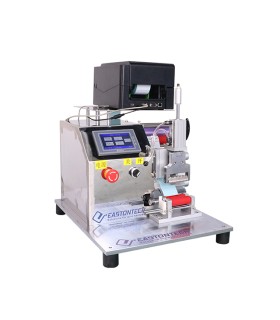
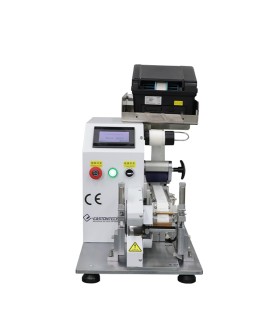
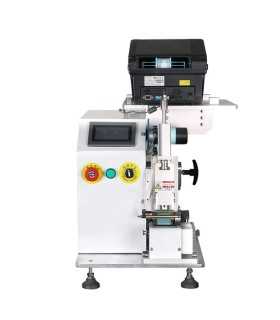
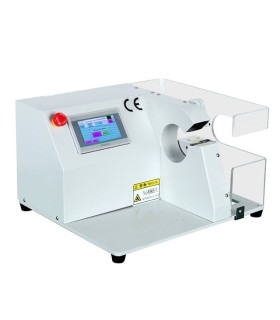
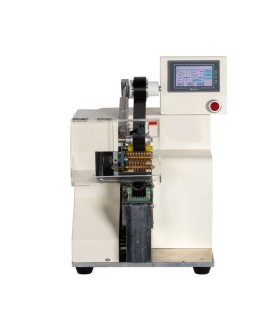
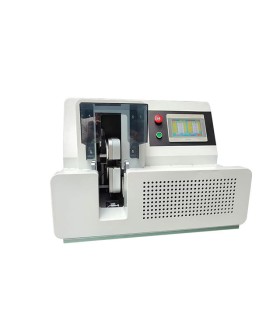
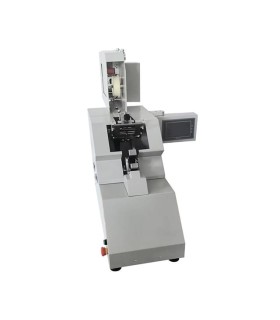
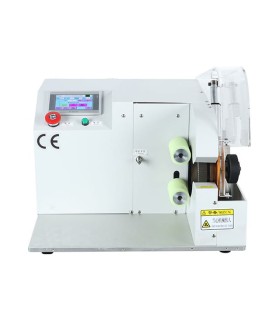
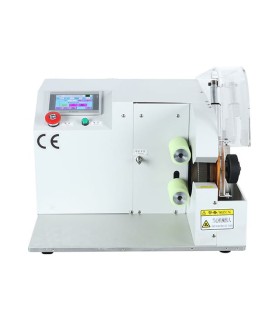
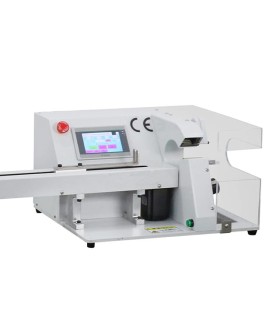
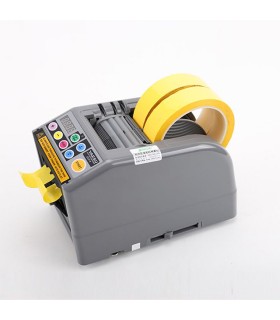
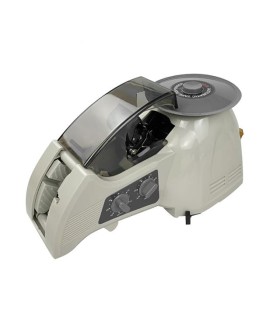
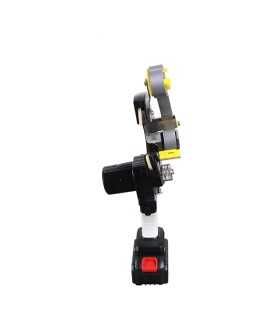
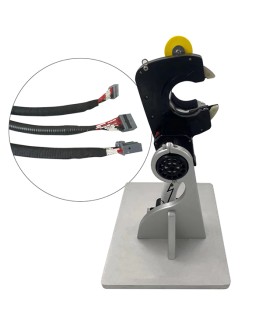
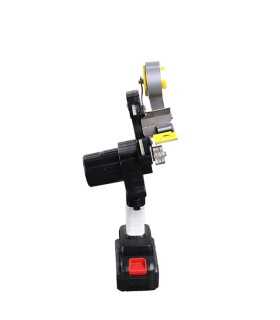
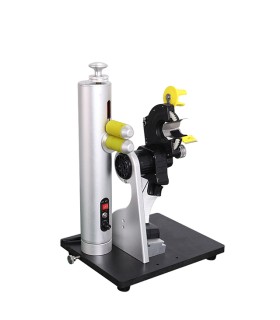
The automatic taping machines are professional devices used for cable taping, a specific operation involving the wrapping of one or more electrical cables with insulating tape. This tape is made of elastic material of varying thickness and withstands stretching and mechanical stress very well. The insulating tape features an adhesive side that perfectly covers the designated section of cable and is available in various colors and types. Automatic taping machines perform the job very precisely; they have a rotating mechanism on which the item to be taped is placed and held firmly. At this point, the roller, rotating, wraps the cable with the insulating tape, and the operation can be repeated multiple times in a short period. For successful taping, the item to be taped must be clean and free from dust or other substances (such as oil, grease, etc.) that could prevent proper adhesion of the insulating tape.
Professional-level cable taping must be carried out with utmost care and precision. Considering the need for consistent pressure between the tape and cable, and that each wrap must overlap roughly halfway over the previous one, it is clear that this operation cannot be done manually and requires automatic taping machines. Here are the characteristics that differentiate the most common types on the market:
One of the main differences among models of automatic taping machines analyzed earlier is the presence or absence of the cable feed roller. But exactly when is it useful to choose a model with a roller? Even though these machines can be used for single-point taping or small sections, the roller is particularly convenient for operations that involve wrapping the entire cable or a significant portion of it, as it makes the job easier and more precise. You simply position the cable at the designated point, and the roller ensures it is drawn in and steadily wrapped with adhesive tape at a steady speed, ensuring correct execution in very little time.
Like most automatic machines, automatic tapers—regardless of model—are designed to facilitate work and provide significant time and cost savings to professionals and companies. Taping operations take only a few seconds and are performed precisely, almost eliminating the possibility of error and thus avoiding repetition (and potential material waste). Additionally, being easy to use, they can be operated by a single person (after reviewing the instructions). Finally, the speed of taping allows high repeatability of the operation, enabling an increase in output.
On the market, we find different types of insulating tape categorized by color, width, and material. Here’s what can be used with automatic taping machines:
Automatic taping machines require maintenance to operate properly and last over time. As with other professional equipment, there are two types of maintenance: routine and extraordinary. Routine maintenance can be performed daily or even multiple times per day (for long production runs) and consists of cleaning the workspace of dust and residues that could obstruct the machine's mechanisms. In such cases, a dry and soft cloth can be used, with or without a neutral detergent. Extraordinary maintenance, however, must be performed by qualified personnel because it addresses damaged or worn mechanical or electronic parts. This type of maintenance should never be neglected—constant monitoring of the equipment's condition is recommended. Additionally, each taper model may include specific maintenance instructions, so it is always advisable to consult the user manual and technical datasheet.
From Monday to Friday 9-13 / 14-18
Phone: +39 055.863311
E-mail: [email protected]
Live Chat: from 8:00 to 17:00 Monday through Friday
Skype: ErreBi cablaggi s.r.l.
WhatsApp: +39 3293520566
Telegram: @ErreBi_cablaggi

Please sign in first.
Sign in
Create a free account to use wishlists.
Sign in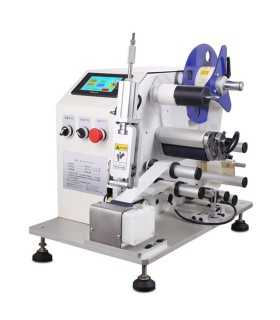
 English
 Italiano
 Deutsch
 Français
 Spanish