

€7,693.36
(tax excl.)
€9,385.90
(tax incl.)
Errebi code: 70313
No products
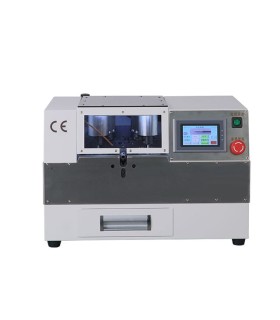
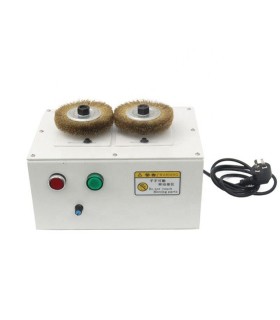
The brushing of electrical cable shielding can be optimally performed using high‑precision professional machines, which prove indispensable for working with various types of cables. Brushing is a technique carried out with special steel (or fiberglass) brushes that, rotating at high speed, “brush” the cable by separating the strands of the cable shielding. The shielding serves as a protective layer for electrical conductors to limit interference and/or radiation—hence the term “shielded cables.” Brushing should not be confused with twist-tightening the cable shielding, which involves twisting the shielding wires after brushing. Both operations require precise and high-performing machinery to ensure correct and safe production of the finished product.
The advantages offered by professional equipment for brushing cables and twisting shielding are various, but the primary appreciated feature in the cabling sector is the ability to perform work quickly and accurately. Electrical materials must comply with strict safety standards, and quality machinery enables the production of parts that meet these standards. Additional benefits of these machines include:
Each model naturally offers specific features and functionalities, so it is always advisable to consult the technical datasheet or seek a professional opinion before purchasing.
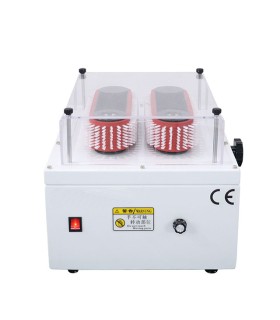
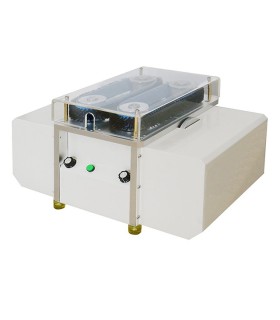
Different types of machines for brushing and twisting shielded cables are available on the market; they may vary in cable diameter capacity, power supply type, brushing length, power rating, and size. Some brushing machines also allow parameters (such as speed) to be adjusted. A significant functional difference between models is that some machines can perform both operations—brushing and twisting—using the same device, speeding up the process and optimizing production time. This type of machinery is ideal for those who perform these operations daily and need fast, optimal results.
Workplace safety is essential, especially when using electrical materials and machines that can release various residues during production, such as cable brushing machines: since these machines brush the shielding braid, it’s very easy for fine dust to be released into the air, posing inhalation risk for operators; moreover, fragments and splinters may fly off, which can be dangerous for workers. For this reason, some cable brush machines include emergency stop buttons and safety covers (often plastic) that provide protection. It is then up to the operator to use personal protective equipment to safely perform all operations.
Using professional machines offers undeniable advantages for production efficiency and workflow organization. Firstly, many professional devices use advanced, user-friendly technologies to execute, organize, and control one or more operations without direct human intervention—or with minimal intervention—reducing resource allocation and freeing operators for other tasks. Secondly, whether automated or not, professional devices ensure correct execution of each production step, minimizing material waste and reducing costs. Finally, such machinery provides confidence in producing safe, high-performance products that protect the end consumer and enhance satisfaction.
Maintenance of machines for brushing and twisting shielded cables is crucial to ensure proper functioning and durability. As with most professional cabling equipment, maintenance can be ordinary or extraordinary. Ordinary maintenance can—and sometimes must—be carried out daily and involves thorough cleaning of work surfaces where dust and debris accumulate, as these could obstruct machine mechanisms. Extraordinary maintenance involves interventions by qualified personnel when needed—on any worn or damaged mechanical or electronic parts. Extraordinary maintenance must never be neglected, and equipment should be regularly inspected. Each model may have specific maintenance instructions, so it’s always best to consult the user manual and technical datasheet.
From Monday to Friday 9-13 / 14-18
Phone: +39 055.863311
E-mail: [email protected]
Live Chat: from 8:00 to 17:00 Monday through Friday
Skype: ErreBi cablaggi s.r.l.
WhatsApp: +39 3293520566
Telegram: @ErreBi_cablaggi

Please sign in first.
Sign in
Create a free account to use wishlists.
Sign in

 English
 Italiano
 Deutsch
 Français
 Spanish