Electrical Wiring Testers and Testing Systems
Electrical wiring testers and testing systems are tools used to check the electrical connections of devices to ensure they are all working perfectly. Using testing systems is useful for quickly and safely detecting faults, issues caused by incorrect wiring operations, and avoiding manual inspections, which may be less precise. In fact, manual inspections, often used with simple wiring, are not recommended when working with wiring that has numerous connections which may easily escape human attention. For this reason, testers and testing systems are a great help for professionals working daily with electrical cables and electronic devices, as they not only save a significant amount of time but also minimize errors and malfunctions that could lead to customer dissatisfaction.
What are the main types of electrical wiring testers?
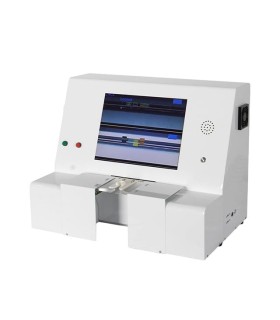
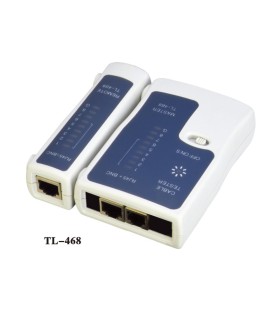
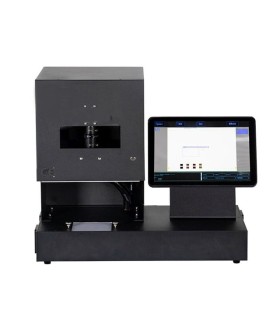
There are various types of testers for checking electrical wiring, which differ in complexity and usage. However, the working principle is similar for all models: to perform a test and verify if a cable is functional, simply connect the tester’s receiver to one end of the cable and the transmitter to the other; this allows you to check signal continuity on the pins or proper connection between receiver and transmitter. Among the most used models are tabletop testers, which are lightweight, compact, and known for their ease of use. Other tools include software testers: ideal for reporting, they often come with a monitor, mouse, and keyboard. Software updates are included and generally easy to perform. Exported data can also be printed easily, as these devices are compatible with various printer models.
Wiring testers with integrated monitor or display: features and advantages
Wiring testers with integrated monitor include software capable of accurately detecting short circuits, reversals, and broken connections, with the ability to check resistors, capacitors, diodes, and LEDs within the wiring. One of the major advantages is the quick, simple, and intuitive control, ensuring precision and optimizing work time. Additional features include:
- scan gun support;
- manual modification cycle table support;
- cycle table input support;
- intelligent voice prompt;
- test report generation;
- support for various printers, making it easy to modify and print content;
- software updates included at purchase and easy to install.
Of course, before choosing such a tester, consult the technical specifications on the product page. Also, check whether the bench is included or needs to be ordered separately. If in doubt, it's advisable to consult an expert in the field.
How many connections can a wiring tester have?
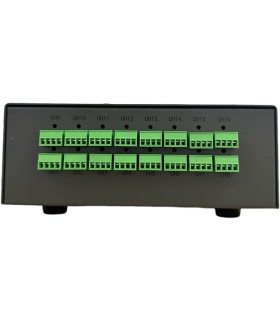
Once a cable system has been installed, it must be tested to ensure it is working perfectly and that the wiring is undamaged and properly arranged. Connection tests are also performed on faulty devices to identify the malfunction’s cause. Periodic checks are also recommended for devices requiring frequent maintenance. Several elements are monitored, such as connectors, receivers, LEDs, sources, etc. For diagnosing complex wiring systems, testers capable of handling multiple connections are essential. The number of connections a tester can handle depends on the model and may exceed a thousand.
How to buy the right wiring tester
But how to buy the right wiring tester and, more importantly, how to determine the number of connections required to choose the right model? Those working with wiring must have a tester to monitor connections. However, as mentioned earlier, there are different models available, and one of the key elements in making the right purchase is the number of connections. To choose a suitable tester, it’s important to know—or predict—the types of wiring to be tested: structured cabling requires advanced testers with a high number of connections, while simple wiring can be tested with more basic models. This detail is listed in the product’s technical data sheet, along with other essential features for making the right purchase.
All the features of multimode network cable testers
Multimode network cables are fiber optic cables used for short-distance communications (e.g., within the same company or facility). These cables also require periodic maintenance and monitoring using dedicated devices: the most important are multimode cable testers. Although they vary by model and performance, they share common features. They are typically lightweight and portable devices. Testers include two main components: a transmitter and a receiver, both equipped with ports for the cables and signal LEDs. When the test starts, the transmitter sends a signal to the receiver; if it travels correctly, all LEDs will light up. If not, there is an anomaly, and the cable must be repaired or replaced.







 English
 Italiano
 Deutsch
 Français
 Spanish