The FR5F 3G1.5 transparent cable is a flexible cable designed for internal wiring of equipment, electronic devices and electrical systems where reliable insulation, ease of installation and visual inspection of the wiring are required.
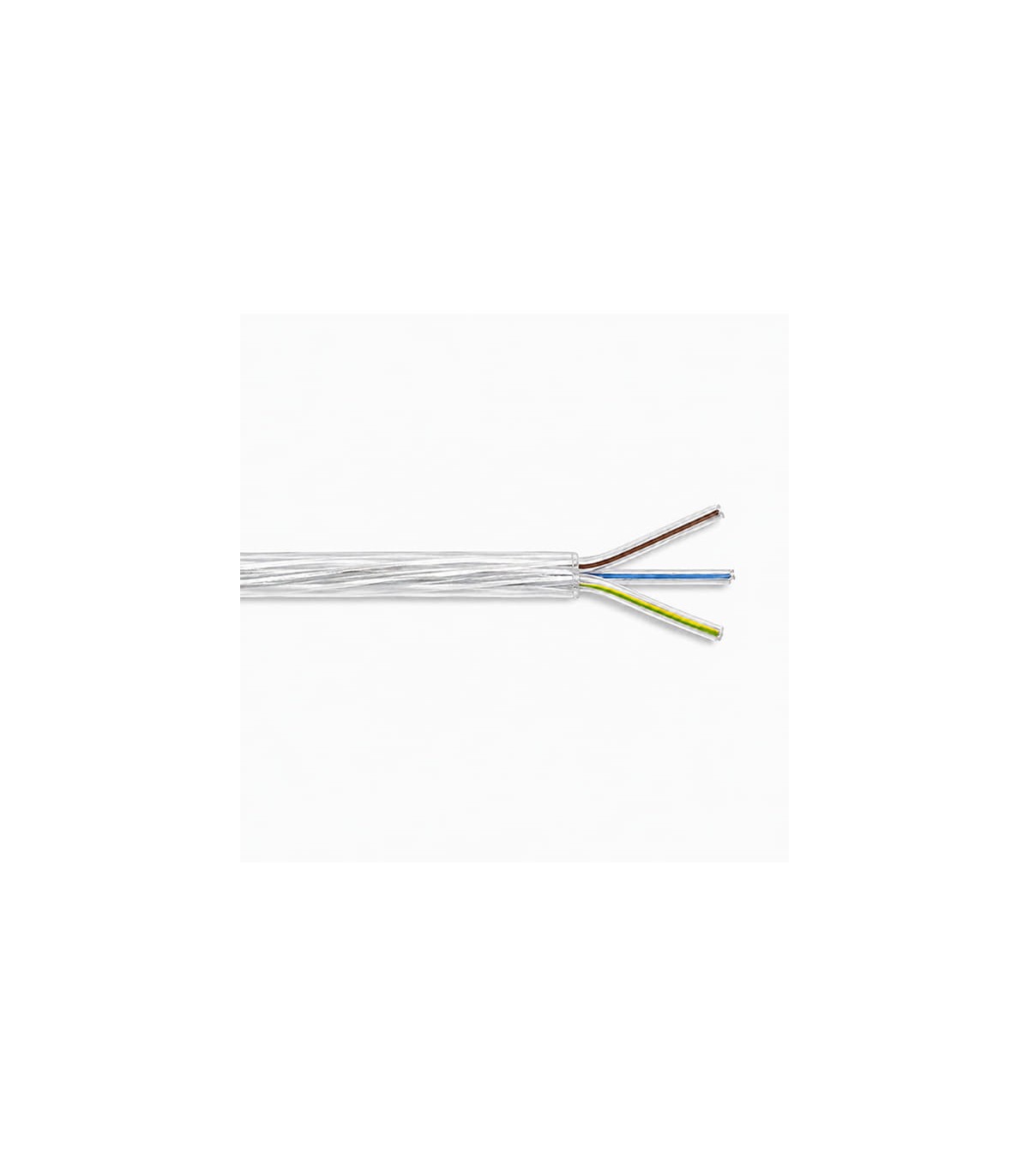
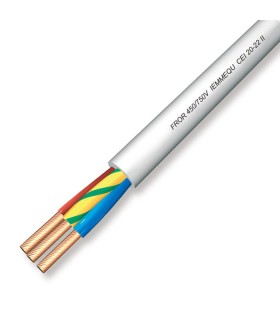
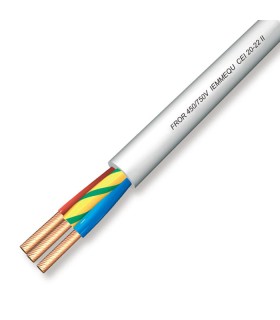
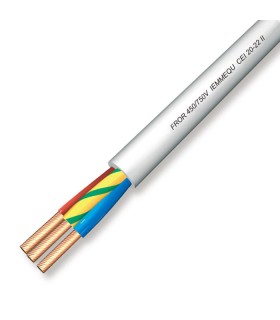
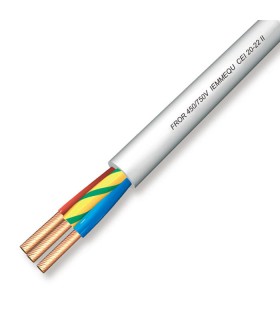
The structure consists of 3 conductors of 1.5 mm² with inner cores insulated in transparent FEP and an outer sheath in transparent 105 °C PVC, a solution that provides a technical, neat and easily inspectable appearance.
The transparent inner cores with yellow-green, blue and brown polarization line allow quick identification of the conductors during wiring, assembly and maintenance phases.
The flexible conductor in tinned electrolytic copper ensures good electrical conductivity, oxidation resistance and long-term reliability, even in professional applications.
The FEP insulation offers excellent dielectric properties and good thermal stability on the inner cores, while the transparent PVC outer sheath protects the cable and allows immediate visual inspection of the internal structure.
Thanks to the rated voltage of 300/500 V, flame resistance according to IEC 60332-1-2 and operating temperature up to +105 °C in fixed installation, the cable is suitable for technical, electronic and industrial applications.
MAIN ADVANTAGES
- Transparent flexible cable for internal wiring
- 3G1.5 configuration
- Transparent 105 °C PVC outer sheath
- Inner cores insulated in transparent FEP
- Yellow-green, blue and brown polarization line for quick identification
- Tinned electrolytic copper conductors
- Good oxidation resistance
- Excellent dielectric properties of the FEP insulation
- Quick visual inspection of the cores and wiring
- Suitable for indoor and fixed installation
- Good flexibility and easy installation
- Flame resistance according to IEC 60332-1-2
- Suitable for electrical and electronic equipment
MAIN APPLICATIONS
- Internal wiring of electronic equipment
- Electrical and electronic devices
- Electrical panels
- Prototypes and test systems
- Transparent technical wiring
- Internal connections where visual inspection is required
- Assembly of electrical components
- Industrial applications
- Professional electrical maintenance
- Systems requiring identification through polarization lines
Read moreShow less




 English
 Italiano
 Deutsch
 Français
 Spanish